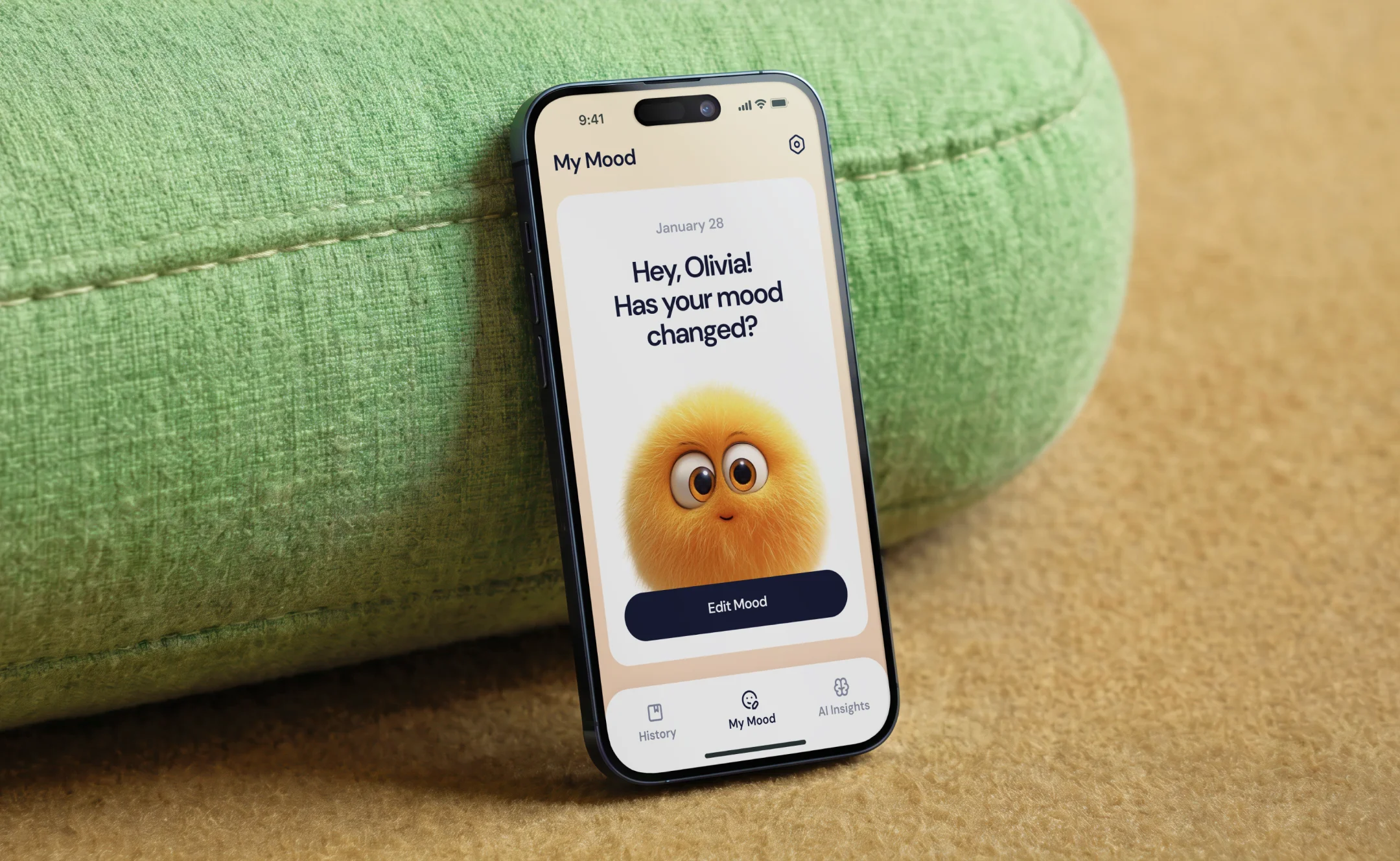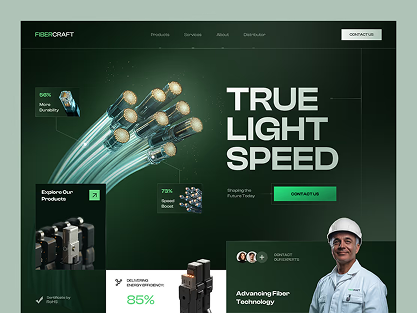
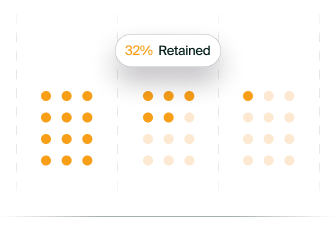
Thoughtful UI/UX helped ASI app surpass 4 million student queries
We designed a student-focused mobile solution for a new educational platform, transforming complex learning flows into an engaging experience and boosting retention
We map application structure, dependencies and critical workflows to identify technical risks and compare practical modernization options.
We assess opportunities for targeted refactoring, dependency upgrades and component replacement, with validation and transition planning built into the agreed scope.
We plan framework, database and platform transitions around compatibility, data reconciliation, connected systems and agreed cutover requirements.
We identify opportunities to improve user journeys, interfaces, performance and workflows in line with current business and user needs.
From demand forecasting and dynamic pricing to claims processing and route optimization, our production AI models solve high-volume enterprise challenges across industries.
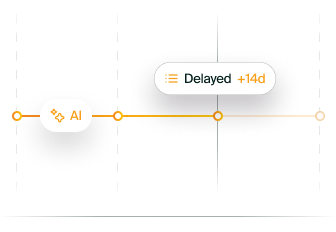
Limited capacity, poor execution, or underuse of AI possibilities.
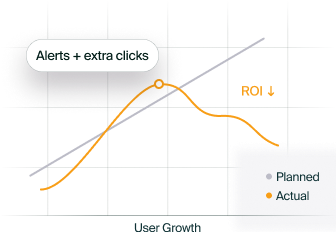
Poor UX, alert fatigue, and extra clicks reduce clinician adoption and ROI.
Poor onboarding, limited personalization, and fragmented experiences reduce outcomes.
From demand forecasting and dynamic pricing to claims processing and route optimization, our production AI models solve high-volume enterprise challenges across industries.
We learn how the work is done today: where time is lost, which systems and data are involved
We compare the opportunities on value and readiness, and agree which one to start with.
We build a focused solution around one defined task or workflow, with human review where it matters.
If the pilot meets its measures, we connect it to your live systems, monitor it, and keep refining it.
Our specialists understand your market, so every AI-driven campaign starts with real context
We audit, research, and plan first, so every marketing dollar has a clear purpose.
Every campaign is built around your brand, audience, and goals, not a one-size-fits-all playbook.
From multi-channel campaigns to marketing automation, we handle the challenges that stall growth.
Regular check-ins, transparent reporting, and shared dashboards keep you informed at every stage.
Scalable engagement models let startups and enterprises alike get measurable returns from AI marketing.
No, modernization can include keeping existing components, refactoring parts that need to be modernized, replacing restricted features and migrating technology and data. The right approach depends on the state of the system, its business function and desired results.
Identify the business problems of highest priority: challenging releases, unstable integrations, slow workflows, or inability to implement new features. An application and architecture assessment can assist in identifying causes, comparing application options and prioritizing the next steps.
Yes, if the architecture, dependencies and business requirements allow for an incremental approach. Legacy application modernization can be segmented into different phases and have a plan for validation and rollout for each phase. For the specific use the feasibility and the sequence of use should be considered.
That depends on how the application is built and how closely its components are connected. Some changes can be introduced in stages; others require more careful coordination because several business processes rely on the same system. The plan should identify those dependencies, define how critical functions will be tested and establish what happens if a rollout needs to be paused or reversed.
Not necessarily. Cloud readiness is a factor that may not be required in all modernization projects. The choice should be based on application requirements, operating considerations, future plans, and the compromises of the options available.
In many cases, an AI feature can be added to an existing application, but the details matter. The team needs to understand what information the feature will use, who is allowed to access it and where the result fits into the user’s workflow. It is usually sensible to test one clearly defined use case before committing to a wider implementation.
The plan should identify critical workflows and dependencies, define data and functional validation, and consider staged rollout and fallback options. Specific continuity requirements and recovery steps should be agreed for each engagement; uninterrupted operation should not be assumed.
Start with a short description of the application, what it supports, the main difficulties you are facing and what you want to improve. You do not need to submit source code, credentials or sensitive business records through the public enquiry form.
Trusted by businesses across industries worldwide.
Fill out the form and our team will get back to you shortly.