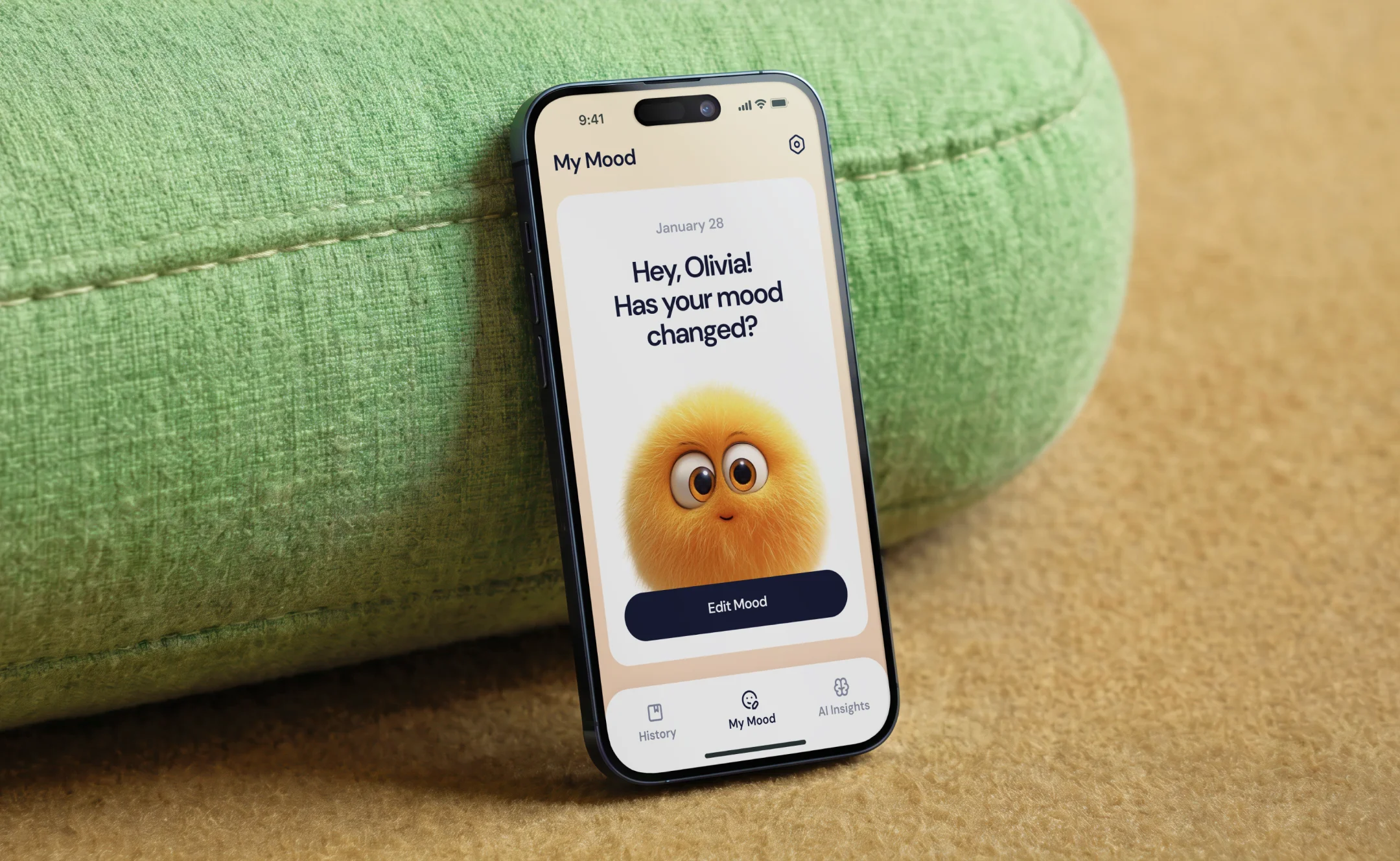
Thoughtful UI/UX helped ASI app surpass 4 million student queries
We designed a student-focused mobile solution for a new educational platform, transforming complex learning flows into an engaging experience and boosting retention
Before we plan the first move, we review your applications, databases, dependencies, and workloads. The migration is broken into manageable stages with a rollback plan if something doesn’t go as expected, based on findings.
We build and improve CI/CD pipelines, automate infrastructure where it makes sense, and add checks before changes reach production. We make every software release easier to manage and easier to roll back.
Containers can make applications easier to package, deploy, and run across environments. We help teams choose the right setup that fits the application. Whether that's a managed container service or a Kubernetes platform. Then, Updates, scaling, and recovery are planned around how the system works.
We bring monitoring, logs, traces, and alerting into a more useful view of system health. We can also define service-level objectives and incident procedures, so people know what needs attention and what to do next.
Cloud bills can creep up quickly if not monitored. Review access permissions, configurations, backups, and resource usage with us to identify where things need attention. The aim is to reduce avoidable risk and give your team a clearer picture of what it's spending and why.
Getting an AI feature working in a prototype is one thing. Running it properly in a live product is challenging and requires planning. We help set up the infrastructure AI workloads need, including model hosting and data access. That also means putting checks around output quality, monitoring usage, and keeping costs under control.
Small gaps in infrastructure and delivery are easy to ignore. They get expensive once the team grows and nobody has a clear picture of what’s running.
One setting lives only on an engineer’s laptop and never reaches the pipeline. The release works in staging and breaks in production.
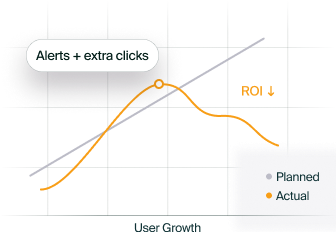
Too many low-value alerts bury the ones that matter, and sometimes the first real warning is an email from a customer.
Test environments nobody remembers keep running. With no tags or budgets, no one can say which team or product owns the bill.
An AI feature ships before anyone has decided what data it may read, how its answers get checked, or what its usage should cost at most.
Getting systems deployed is the easy part. What matters is whether the setup fits the application, whether releases are repeatable, and whether your team can see what’s happening after launch.
We map workloads, dependencies, and environments before anything changes. We agree on who owns each part of the design, and then we build the environment as code.
A pipeline takes each change from commit to production, with checks, approvals, and a tested rollback. We add a container platform only if the application actually needs one.
We build monitoring and runbooks around the user journeys that matter most. Each alert has a named person behind it.
We go through who can change what, and what each workload costs. Then we assign owners, so these reviews keep happening after we hand over.
Kindlebit’s cloud, DevOps, and AI infrastructure services cover six areas: cloud architecture and migration, DevOps and delivery automation, containers and orchestration, reliability and observability, cloud security and cost management, and AI infrastructure and operations. Together, these cloud engineering services help teams run their infrastructure, ship software reliably, and support production workloads.
We work with AWS, Microsoft Azure, and Google Cloud. We recommend a platform based on your applications, your existing licenses and skills, the managed services you need, and where your data must be stored.
Yes. We review your current architecture, workloads, environments, and operating practices against the cloud provider’s Well-Architected guidance, then rank what to fix. Typical fixes include architecture changes, environment configuration, better monitoring, tighter access controls, and clearer visibility into infrastructure costs.
We weigh each improvement by the risk it removes, the effort it takes, and what depends on it. Security gaps and single points of failure usually come first, followed by the changes that save your team the most time or cost. You get a ranked list before any work starts.
Yes. Depending on the application and your timeline, the options range from hosting it largely as it is to rebuilding it as a web-based, multi-tenant platform. We assess the application, its database, and its integrations first, then recommend the route that fits.
Yes. Our cloud DevOps consulting services start by mapping your delivery workflow and finding the manual steps that slow it down. We then build CI/CD pipelines with automated tests, security scans, approvals, and rollback, using tools such as GitHub Actions, GitLab CI/CD, Azure DevOps, or Jenkins.
We build in least-privilege access, multi-factor authentication, encryption at rest and in transit, audit logging, and tested backups. For healthcare workloads, we use HIPAA-eligible cloud services covered by your business associate agreement (BAA) with the cloud provider, and we design the environment to support HIPAA requirements.
Moving an AI application past the prototype stage means deciding how models are hosted, which data they can reach, and how output quality, latency, usage, and cost are measured. Our AI infrastructure services set up private model access, quality checks before each release, and monitoring and spending limits once the application is live.
Yes. Our DevOps managed services cover pipeline maintenance, cloud environment changes, monitoring, and patching after a project ends. Scope, responsibilities, response times, and support hours are agreed in writing before the work begins.
Share your current infrastructure setup, the problems your team is facing, and what you want to improve. We will point out the service areas that apply, agree on priorities with you, and propose a first step.
Trusted by businesses across industries worldwide.
Fill out the form and our team will get back to you shortly.